What a smart plug actually does
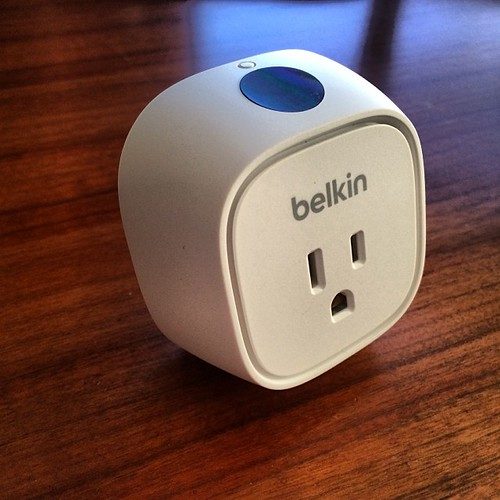
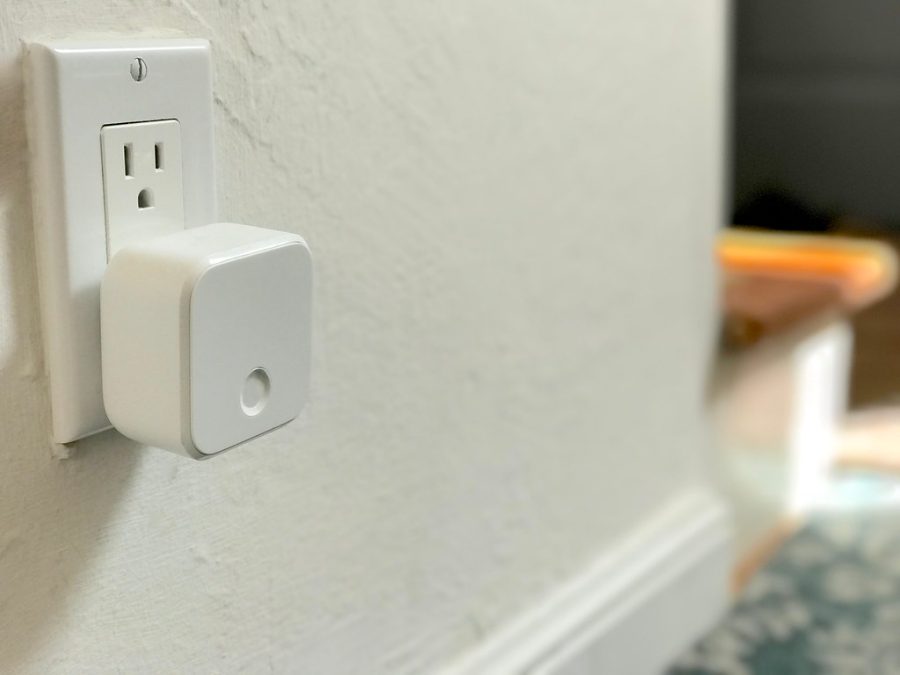
A smart plug sits between the wall socket and whatever you plug into it — a telly, a games console, a phone charger, a lamp. It does one simple thing brilliantly: it lets you switch the power on and off from your phone, or on a schedule, so devices only draw electricity when you actually need them.
The magic isn't the convenience — it's the standby power it kills. Loads of gadgets keep sipping electricity around the clock even when they look switched off. A smart plug on a timer cuts that waste completely, with no rewiring and nothing to install in the wall.
Quick win
Smart plugs are the single most renter-friendly saving there is: they plug in, they come out again when you move, and your deposit never knows they were there.
The real cost of standby power at UK prices
Under the current UK price cap, electricity costs roughly 34p per kWh. That number is the key to every saving on this page — once you know it, you can put a real pound value on anything left running.
~34p
Cost per kWh in the UK
£45–£65
Typical yearly standby waste per home
9–16
Always-on gadgets in an average home
The maths is simple: watts × hours ÷ 1,000 = kWh, then × £0.34. A single 10W device left on standby all year uses about 88 kWh — roughly £30 straight out of your pocket for doing nothing.
| Left on standby 24/7 | Costs you per year |
|---|---|
| 5W (phone charger, speaker) | ~£15 |
| 10W (TV + box, small console) | ~£30 |
| 20W (games console, PC + monitor) | ~£60 |
| 40W (old TV + soundbar + box) | ~£119 |
Worked example: your yearly saving
Say you put one smart plug on the entertainment unit — telly, set-top box and soundbar — and schedule it to cut power overnight and while you're at work or in lectures (say 14 hours a day off).
- 1
Measure the standby draw
That cluster of kit typically idles at about 10W. Over a full year that's 88 kWh, or ~£30 at 34p/kWh. - 2
Schedule the dead hours
Cutting power for ~14 hours a day removes well over half of that idle time. - 3
Bank the difference
You save roughly £18–£30 a year from one plug that costs about £15 — so it pays for itself inside a year, then keeps saving.
The rule of thumb
One well-placed smart plug ≈ £30/year saved. Put them on your three biggest standby clusters (living room, desk, kitchen worktop) and you're looking at £50–£80 a year — with kit that follows you to your next flat.
Setup in 5 minutes — no wiring, no tools
- 1
Plug it in
Push the smart plug into any wall socket, then plug your device into the smart plug. That's the entire 'installation'. - 2
Connect to Wi-Fi
Open the free app, tap add device, and it joins your home Wi-Fi. No hub, no drilling, no electrician. - 3
Set a schedule
Pick the hours it should switch off — overnight and while you're out are the big wins. You can also flip it on and off by voice or from your phone. - 4
Take it with you
Moving out? Unplug it, drop it in a drawer, and set it up again in your next place in minutes.
Our top smart plug picks
Any of these will do the job. Start with one, prove the saving on your own bill, then add more where it counts.
- Volt Mini Smart PlugA tiny smart plug that stops your devices wasting money on standby. Set schedules and track usage from your phone.£14.99View →
- Volt Smart Plug 4-PackFour smart plugs at a lower price per plug — kit out the whole flat and cut standby waste in every room.£44.99View →
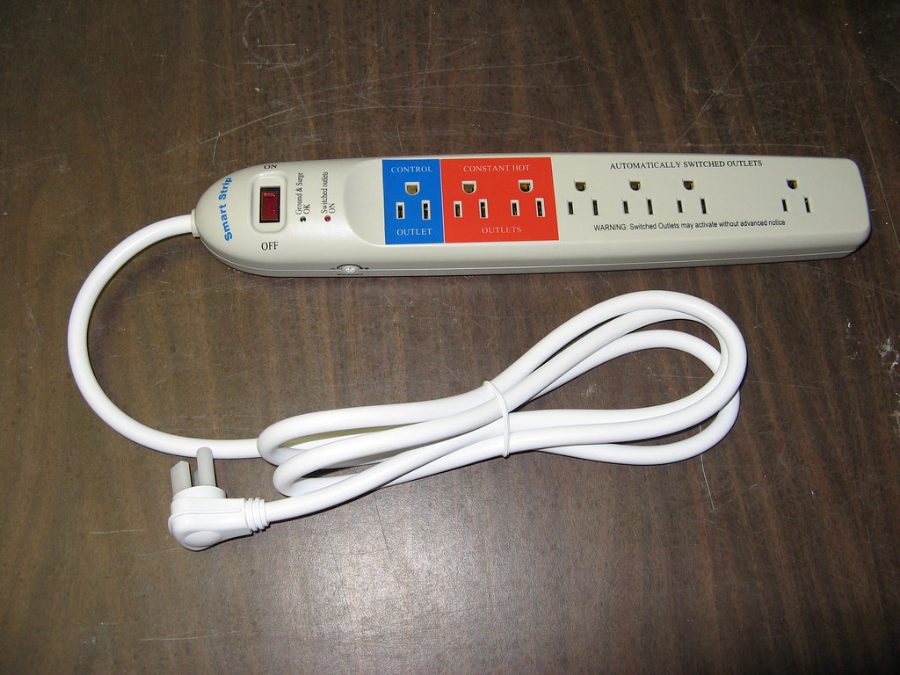
- Surge Smart Power StripFour individually controlled sockets plus USB — turn off a whole desk or TV setup with one tap.£34.99View →
Prices shown are current Wattly prices. See the full smart plug range for bundles and multipacks.